1,400 → 20
Bq/m³ · Sunny M.

C-NRPP certified radon mitigation for Calgary homeowners, backed by a 10-year workmanship warranty, a five-year fan warranty, and a guarantee below 75 Bq/m³. Need to test first? We do that too.
Recent ATMOS customers have reported dramatic reductions after mitigation.
Bq/m³ · Sunny M.
Bq/m³ · Jon Zinck
Bq/m³ · Dwayne Thiessen
If your home has already tested high, we design and install a mitigation system for the home, verify it is operating properly, and stand behind the result.
Radon levels can vary from home to home, even in the same neighbourhood. Testing gives you a real measurement so you know whether mitigation is needed.
Radon forms naturally in soil and rock. It can move into a home through cracks, sump pits, plumbing penetrations, floor drains, and gaps in the foundation.
You can’t see it, smell it, or taste it. Health Canada identifies radon as the leading cause of lung cancer in non-smokers.
When your home’s radon level is above 200 Bq/m³, Health Canada recommends taking action to lower it.
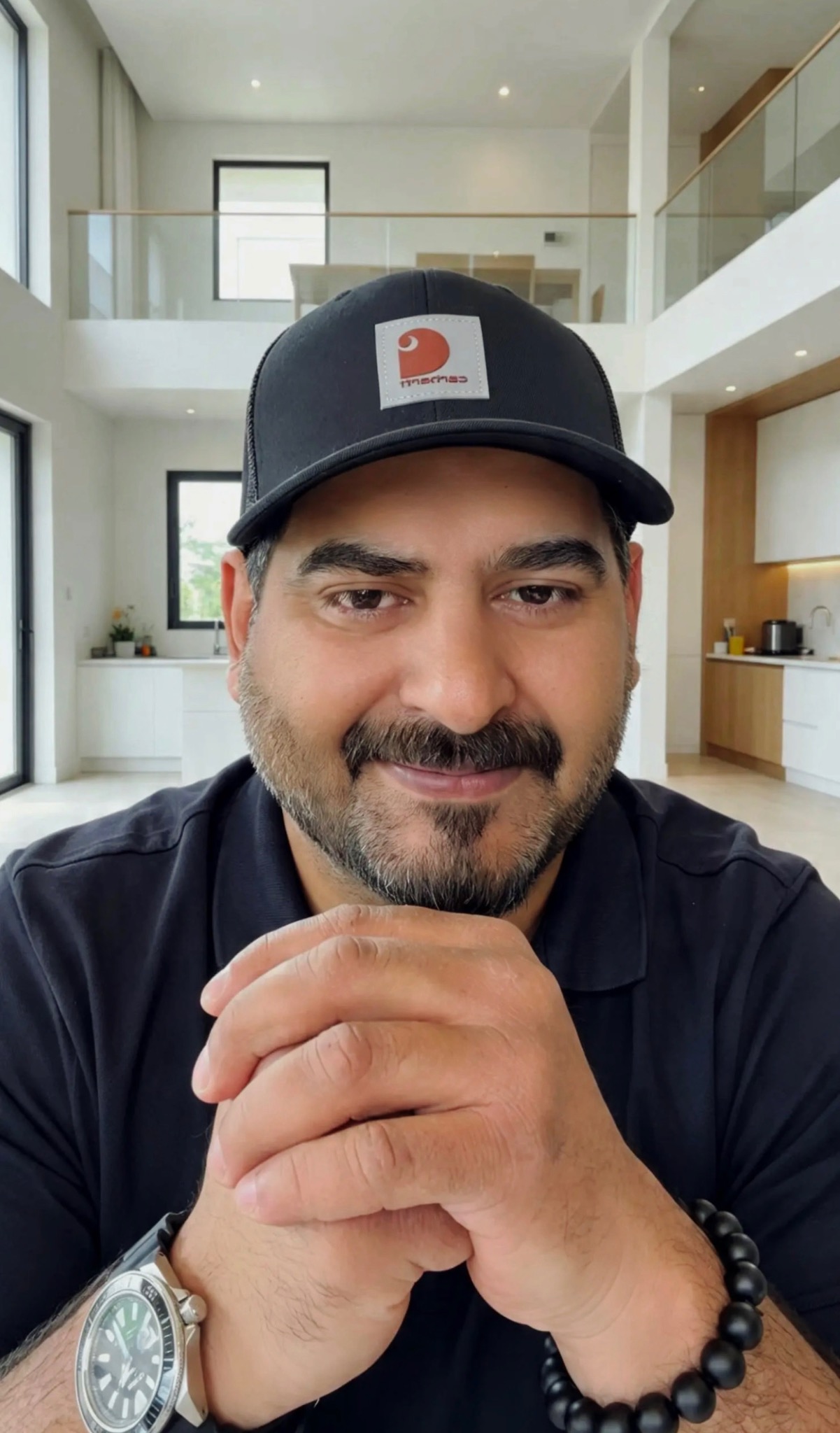
I did not get into this because I was looking for a random trade to start. I learned about radon because of my own house. Once I saw the numbers, understood what radon actually was, and realized how many families in Calgary have never tested, it honestly bothered me.
It is invisible. You cannot smell it. You cannot feel it. Most people have no idea what their home is sitting at until they test.
After dealing with my own home, I started helping people around me. Neighbours, family, friends — and the more I learned, the more I cared about doing it properly. That is really what ATMOS became: a way to help homeowners get clear answers, understand their options, and fix the problem with work that is done carefully.
We are a small local company, and I personally show up to every mitigation project. Every home is different. Every system has to be thought through. I do not want our work to look careless, and I do not want people feeling confused about what is being installed in their home.
My goal is simple: explain the process clearly, do clean work, use proper materials, and leave the home with radon levels significantly lower than when we arrived.
— Tabi Shah, Founder of ATMOS Radon
“The Team at ATMOS got our crazy high reading of Radon of 1400 down to 20! Excellent customer service. They had it professionally and cost effectively repaired within 72 hrs after contacting them. Cannot recommend them enough.”
“Amazing group of guys. They were able to come and install the fan and bring our numbers from 288 down to 33 in 1 day. Very friendly crew, very easy to work with. Highly recommend!”
“Tabi and team are able to answer any questions and have solutions to solve any mitigation issues. Very responsive and keep you in the loop. Our numbers have dropped from 200 on average to a low of 20!”
“We used Atmos Radon to test and mitigate our home in northeast Calgary and had a fantastic experience! Tabi was incredible to work with, explained everything thoroughly, and the work done was beyond our expectations.”
Clear answers about testing, mitigation, cost, timing, and what to expect.
Testing is the only way to know. Radon is invisible, odourless, and tasteless, and levels can differ between neighbouring homes. Read our Calgary radon testing guide or book a radon test.
ATMOS offers short-term electronic screening, typically 48 to 72 hours, and long-term testing of at least 91 days. A longer measurement provides the clearest estimate of long-term exposure. Our testing guide explains the options and correct placement.
Health Canada recommends taking action when the long-term radon level is above 200 Bq/m³. If a reliable reading is approaching or above 200 Bq/m³, speak with a C-NRPP-certified professional about mitigation. See what to do after a high reading.
First, check the device, placement, and testing period so the result has context. High radon is fixable. ATMOS can assess the home, explain the likely entry points, and design an appropriate mitigation system. Read the step-by-step guide or request an estimate.
The most common method is active sub-slab depressurization. A quiet fan draws radon-containing soil gas from beneath the foundation and exhausts it outdoors before it can accumulate in the home. Learn more in how a mitigation system works.
A standard ATMOS mitigation installation generally takes about 5 to 8 hours. The time allows for setup, diagnostics, accessible sealing, installation, verification, and cleanup. Crawlspace encapsulation or unusually complex work can take longer.
A standard ATMOS installation starts at approximately $2,350 plus GST when an existing rough-in is usable, or about $2,500 plus GST when a new suction point is required. Complex work such as crawlspace encapsulation can reach approximately $5,500 plus GST. See the full Calgary mitigation cost guide.
There is no practical promise of absolute zero radon, but a properly designed system can dramatically reduce the level. ATMOS guarantees the home’s long-term average below 75 Bq/m³, and many homes finish substantially lower. See real mitigation results.
The manometer shows whether the system is creating vacuum, while follow-up testing confirms the radon reduction. ATMOS verifies the fan, exhaust, seals, mounting, and system operation before leaving, then follows up on post-mitigation readings.
No. Radon usually enters at the lowest level, but air movement and the stack effect can carry it through the home. Testing should focus on the lowest level where someone spends four or more hours per day.
A properly selected and installed radon fan is generally very quiet—often around 25 to 30 decibels. ATMOS positions and secures the system to limit vibration and keep the small footprint unobtrusive.
The pipe connects to a suction point beneath the basement slab or another approved collection point. It is normally routed through a mechanical room or another unobtrusive location and exhausts safely outdoors, following required clearances.
Effective mitigation requires diagnostics, correct system and fan selection, proper sealing, safe routing, and performance verification. A C-NRPP-certified mitigation professional is trained to design and verify the complete system—not simply attach a fan to a pipe.
Yes. ATMOS guarantees that systems we install will keep the home’s long-term average below 75 Bq/m³. If the long-term average is above that level, ATMOS returns to test the system and make the necessary modifications. Read how results and the guarantee work.
ATMOS provides a 10-year workmanship warranty on the installed system and a five-year manufacturer warranty on the fan. The workmanship warranty applies to ATMOS’s installation under normal use and excludes damage or later modification by others.
Yes. New and older homes can both have high radon, and a capped builder rough-in does not reduce radon until a working system is connected. Testing is the only way to know. Read our guide to radon in new Calgary homes.
During cold weather, the stack effect can increase the pressure difference that draws soil gas into a home. Closed windows and reduced natural ventilation can also affect indoor levels. Because radon varies, longer testing gives a better picture than a brief snapshot.
Verify current C-NRPP mitigation certification for the person responsible on site, proof of insurance, Alberta business registration, a clear written scope, proper diagnostics, quality materials, performance verification, warranties, and a results guarantee. Use our contractor comparison guide.
C-NRPP Certified · 10-Year Workmanship Warranty · 5-Year Fan Warranty · Results Guaranteed Below 75 Bq/m³
“Tabi and his team answered all our questions, kept us informed, and brought our radon level from an average of 200 down to 20.”